
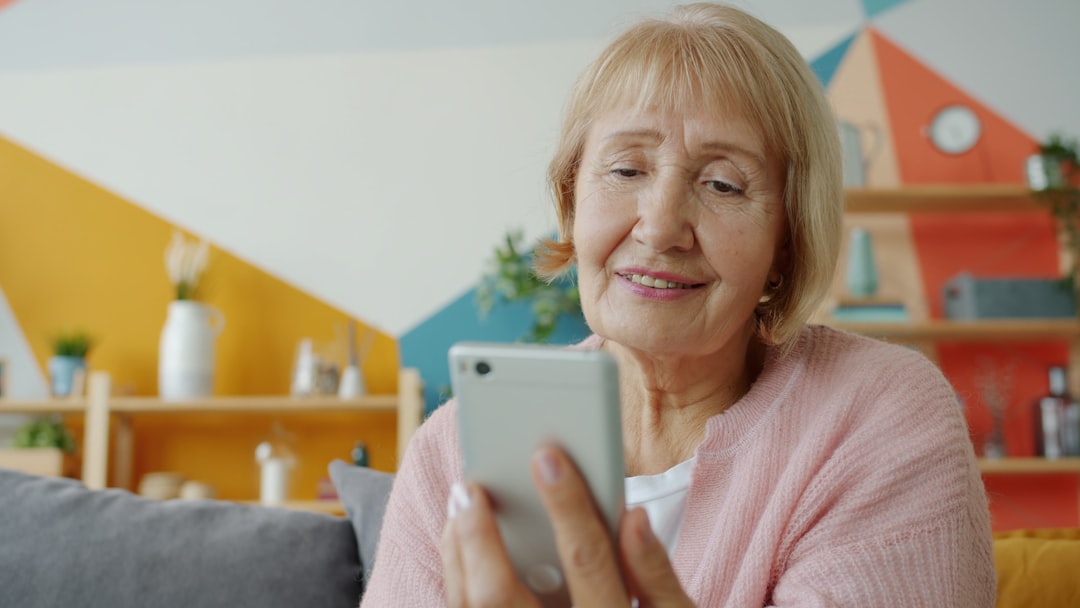
- Seamless Support: Ambient Assisted Living (AAL) integrates discreet sensors and AI into the home environment to monitor health and safety without intrusive cameras or wearable devices.
- Proactive Healthcare: AAL technology shifts senior care from reactive crisis management to predictive wellness by analyzing daily routines and early health decline indicators.
- Enhanced Independence: Older adults can safely age in place longer, enjoying greater autonomy while offering invaluable peace of mind to family caregivers and retirement planners.
For generations, the choice to transition into assisted living facilities often meant sacrificing a degree of personal independence for the sake of safety. However, the paradigm of elder care is undergoing a profound shift. Driven by rapid advancements in the Internet of Things (IoT) and artificial intelligence, ambient assisted living AAL has emerged as a gold standard for aging in place. Instead of relying on wearable panic buttons or constant human supervision, smart homes are now learning the habits of their residents, quietly working in the background to ensure safety, health, and comfort in 2026 and beyond.
What is Ambient Assisted Living (AAL) and How Does It Work?
At its core, ambient assisted living refers to intelligent systems and sensor networks deployed within a living space to monitor, assist, and protect older adults. Unlike traditional smart home gadgets that require manual commands, AAL technology operates autonomously.
Invisible radar sensors, pressure-sensitive mats, and smart utility monitors create a digital safety net. For instance, if a senior gets out of bed in the middle of the night, subtle floor lights illuminate the pathway to the bathroom, while a passive infrared sensor tracks their movement. If the resident fails to return within a reasonable timeframe, or if an unusual stillness is detected, the system alerts a designated caregiver or emergency response team.
The Shift from Wearables to Invisible Infrastructure
While medical alert pendants and smartwatches have been popular for years, they come with significant drawbacks: seniors frequently forget to charge them, leave them on the kitchen counter, or refuse to wear them in the shower where slips and falls most commonly occur. Smart senior care 2026 prioritizes friction-free technology. By embedding intelligence into walls, floors, and everyday appliances, AAL eliminates compliance issues entirely.
Key Technologies Driving the Future of Elder Care

The future of elder care relies heavily on a confluence of cutting-edge technologies working in unison. Modern AAL deployments generally incorporate several core components:
- Predictive AI Analytics: Machine learning algorithms study baseline behavioral patterns—such as kitchen activity, sleep duration, and walking speed—to detect subtle signs of physical decline, cognitive fatigue, or urinary tract infections before acute symptoms manifest.
- Non-Intrusive Radar and Thermal Imaging: Advanced privacy-first sensors track vital signs like heart rate and respiratory rate remotely without capturing identifiable video footage.
- Smart Environmental Controls: Automated shut-off valves for stoves, smart thermostats, and medication-dispensing hubs mitigate household hazards automatically.
| Care Model | Monitoring Method | Primary Benefit |
|---|---|---|
| Traditional Aging in Place | Periodic family visits, manual check-ins | High familiarity and comfort in the home. |
| Wearable-Based Alerts | Pendants, smartwatches, panic buttons | Manual emergency signaling capability. |
| Ambient Assisted Living (AAL) | Wall sensors, IoT mats, ambient AI | Passive, continuous protection and proactive health insights. |
Benefits for Seniors, Caregivers, and Retirement Planners
The widespread adoption of ambient assisted living creates a positive ripple effect across the entire continuum of senior care. For older adults, it preserves dignity, autonomy, and the emotional well-being associated with living in one’s lifelong home.
For family caregivers—many of whom balance demanding careers with the responsibilities of the “sandwich generation”—AAL dramatically reduces burnout. Instead of constantly worrying or making check-in phone calls, caregivers receive contextual updates on their smartphones, allowing them to intervene only when truly necessary.
“Ambient assisted living transforms the home from a potential hazard zone into a responsive partner in health and safety, giving families invaluable peace of mind.”
Furthermore, retirement planners and healthcare organizations increasingly look to AAL infrastructure as a viable strategy to manage long-term care costs. By preventing costly emergency room visits resulting from unassisted falls or delayed medical interventions, ambient technology significantly eases the financial strain on healthcare systems.
Frequently Asked Questions
Does Ambient Assisted Living compromise a senior’s privacy?
No. Modern AAL systems are specifically designed with privacy in mind. Instead of utilizing invasive video cameras or audio recording devices, they rely on infrared sensors, radio-frequency radar, and pressure pads that measure movement, spatial presence, and biometrics without capturing identifiable personal images.
How difficult is it to install AAL systems in an older home?
Most consumer-grade and professional AAL solutions are modular and non-invasive. Many devices connect via standard wireless protocols (Wi-Fi, Zigbee, or Matter), meaning sensors can be easily mounted with adhesive strips or placed under mattresses and rugs without requiring major home renovations.
Can AAL technology integrate with professional healthcare services?
Yes. Many advanced AAL platforms feature API integrations that allow real-time health data and emergency alerts to be shared directly with primary care physicians, home health agencies, or local emergency response services.
Conclusion
Ambient assisted living represents a monumental leap forward in how society supports its aging population. By blending invisible, intelligent infrastructure with compassionate healthcare goals, ambient assisted living AAL bridges the gap between total independence and necessary safety. As we navigate the technological landscape of smart senior care 2026, these innovations ensure that growing older at home is no longer a matter of hopeful chance, but a secure, dignified, and sustainable reality.