

How to Find Long Tail Keywords for SEO Beginners

How to Find Long Tail Keywords for SEO Beginners
I still remember the first website I ever published. I was proud of it, convinced that once it went live, visitors would magically appear. Days passed. Then weeks. The analytics graph stayed flat, like a desert with no footprints. That frustration is something almost every beginner experiences. What I didn’t understand back then was simple: I was targeting keywords nobody could realistically rank for.
Everything changed the day I learned about long tail keywords.
Long tail keywords are the quiet heroes of search traffic. They don’t look impressive at first glance, but they attract the right people at the right moment. If you are new to SEO, learning how to find long tail keywords is one of the most valuable skills you can build. It can mean the difference between writing content that disappears and content that steadily brings visitors month after month.
This guide will walk you through the process step by step, using real examples, beginner-friendly explanations, and proven methods that work even if you have zero experience.
What Long Tail Keywords Really Are (In Plain Language)
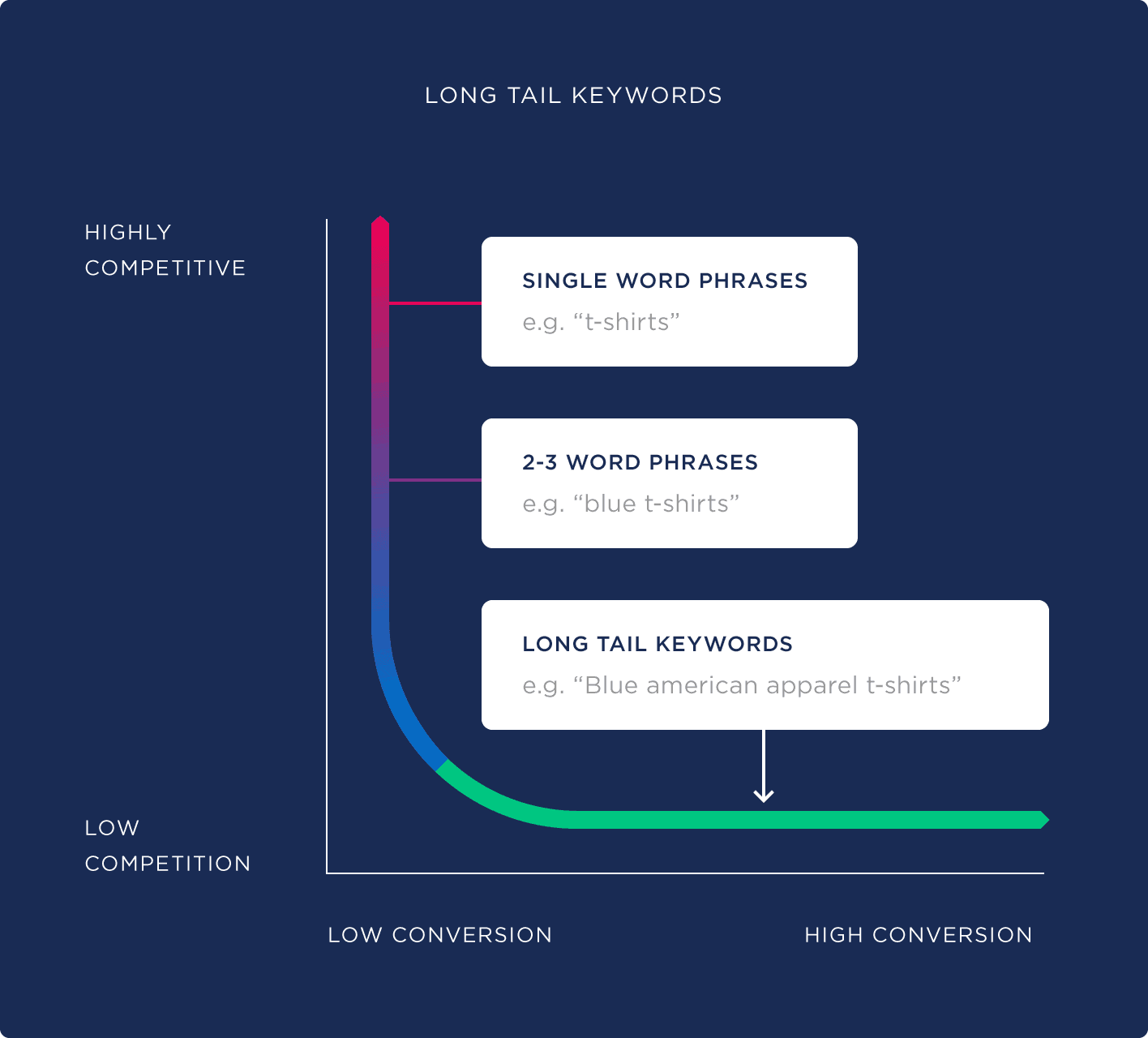
A long tail keyword is a longer, more specific search phrase. Instead of something broad like “shoes,” a long tail keyword would be “best running shoes for flat feet under $100.” It might get fewer searches, but the people typing it know exactly what they want.
When someone searches with a long, specific phrase, they are usually closer to taking action. That could be reading carefully, signing up, or making a purchase. This is why marketers and content creators value long tail keywords so highly.
According to research shared by Ahrefs, the majority of search queries typed into Google every day are long tail searches. Many of them are searched only a handful of times per month, but together they make up most of the search traffic on the internet. You can explore their detailed explanation on keyword demand and search behavior here: https://ahrefs.com/blog/long-tail-keywords/
Why Long Tail Keywords Are Perfect for Beginners
When a website is new, it has no authority in Google’s eyes. Competing for short, popular keywords is like trying to outrun professional athletes on your first day of training. Long tail keywords level the playing field.
They are easier to rank for because fewer websites target them. They bring visitors who are more focused and engaged. They help you build topical authority over time, which later makes it easier to rank for bigger terms.
Search quality experts at Moz have repeatedly explained how specificity improves relevance and ranking potential. Their beginner-friendly guide on keyword research dives deeper into this idea: https://moz.com/beginners-guide-to-seo/keyword-research
Understanding Search Intent Before Finding Keywords
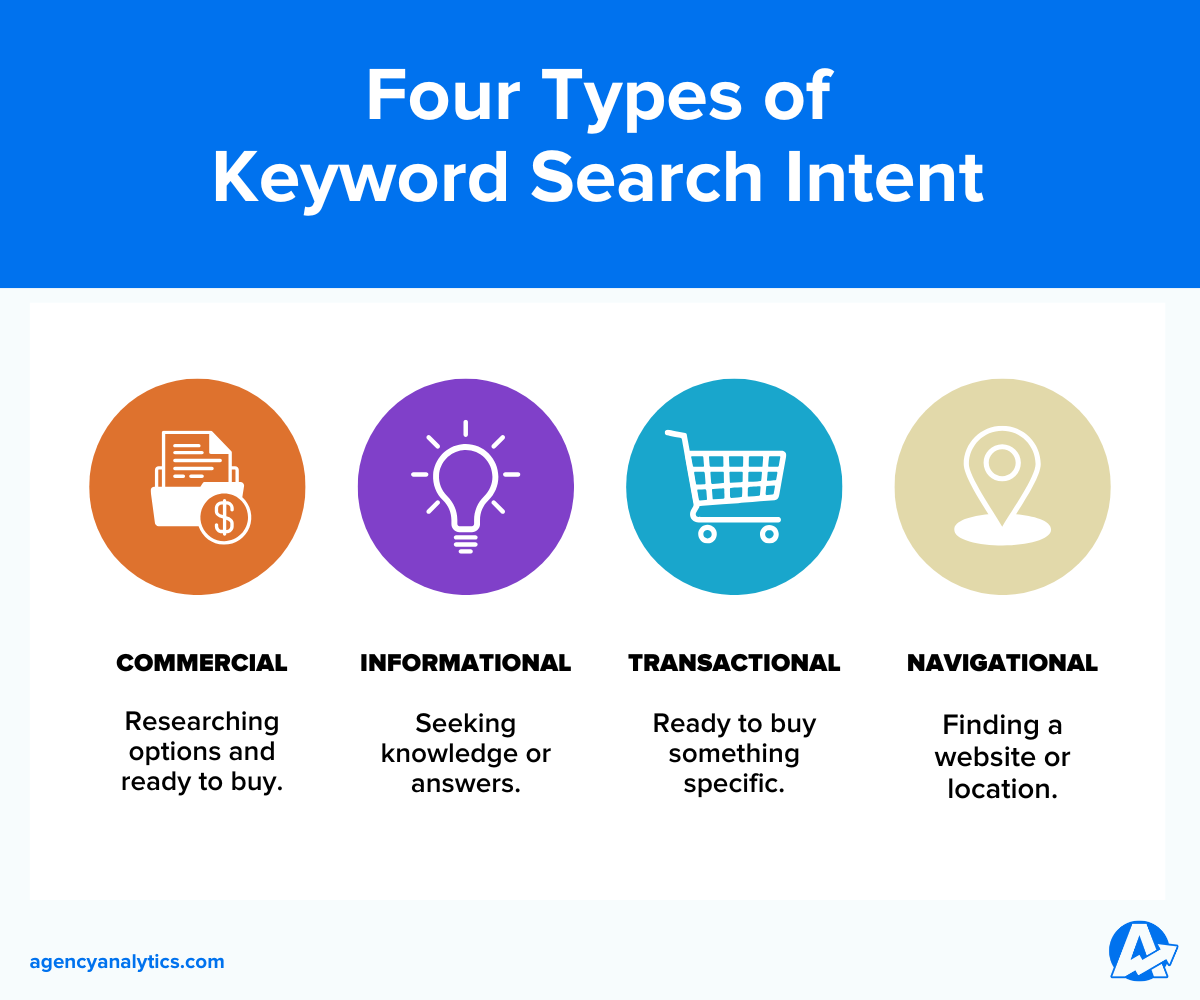
Before you start collecting keywords, you need to understand why people search.
Some people want information. Others want to compare options. Some are ready to buy. Long tail keywords often reveal intent very clearly. A phrase like “how to clean leather shoes at home” shows informational intent. A phrase like “buy leather shoe cleaner online” shows transactional intent.
Google itself explains the importance of intent in its Search Central documentation, which you can read here: https://developers.google.com/search/docs/fundamentals/how-search-works
When you understand intent, you stop guessing. You start creating content that directly matches what the searcher wants, which increases trust and engagement.
Starting With Your Own Brain (The Most Overlooked Step)
Many beginners jump straight into tools, but the simplest method often works best.
Think about your topic and imagine you are the user. What exact question would you type into Google? When I was running a small blogging site, I realized most of my good keyword ideas came from problems I personally faced.
If your site is about fitness, think about real struggles like “home workout for beginners without equipment” or “how to lose belly fat after 40.” These phrases don’t come from tools first. They come from lived experience.
This approach aligns with how search engines evaluate usefulness, as explained in Google’s own guidance on creating helpful content: https://www.google.com/search/blog/2022/08/helpful-content-update
Using Google Autocomplete and “People Also Ask”
One of the most powerful free keyword research methods is hiding in plain sight.
When you start typing a query into Google, the suggestions that appear are based on real searches. These suggestions often contain excellent long tail keywords. Try typing a basic phrase and let Google complete it for you. Each suggestion is a potential article topic.
Scroll further down the search results, and you’ll find the “People Also Ask” section. These are real questions users are searching for. Answering these questions clearly in your content increases your chances of being discovered.
Search behavior data from Google consistently shows that question-based searches are growing year over year, especially on mobile devices. You can read more about this trend here: https://www.thinkwithgoogle.com/consumer-insights/consumer-trends/search-behavior/
Exploring Google Search Console (Once You Have Some Data)
If your website has been live for a while, Google Search Console becomes a goldmine.
It shows the exact queries people used to find your pages, even if your page appeared on page two or three of the results. Many of these queries are long tail keywords you are already ranking for slightly. With a bit of optimization and better content depth, those keywords can move up.
Google explains how to use Search Console data responsibly and effectively in its official documentation: https://support.google.com/webmasters/answer/7576553
Leveraging Free Keyword Research Tools Wisely
Free tools can take your research further when used correctly.
Tools like Ubersuggest, Keyword Tool, and AnswerThePublic help expand a basic idea into dozens of long tail variations. These tools pull data from real search patterns and organize it in a way that’s easier to understand.
Marketing expert Neil Patel has shared in-depth insights on how beginners can use free tools without overcomplicating the process. His practical guide on keyword research is worth exploring: https://neilpatel.com/blog/keyword-research/
The key is not to chase volume blindly. Even a keyword with ten searches per month can be valuable if it brings the right visitor.
Analyzing the Competition Without Getting Overwhelmed
Once you have a long tail keyword idea, search for it on Google and study the results.
Look at the pages ranking on the first page. Are they big brands or small blogs? Are they answering the question clearly, or is the content shallow? Often, you’ll find outdated articles or content that barely scratches the surface.
Search quality evaluators, as discussed in Google’s publicly available guidelines, look for depth, clarity, and usefulness. You can review those principles here: https://static.googleusercontent.com/media/guidelines.raterhub.com/en//searchqualityevaluatorguidelines.pdf
If you can genuinely create something more helpful, you’re on the right path.



Turning Long Tail Keywords Into Helpful Content
Finding a keyword is only half the work. The real value comes from how you use it.
Instead of stuffing the phrase unnaturally, build your content around answering the searcher’s question completely. Use natural language. Include examples. Share personal insights when relevant. Make the reader feel understood.
Content that genuinely helps users tends to perform better over time, as confirmed by multiple case studies published by Search Engine Journal: https://www.searchenginejournal.com/long-tail-keywords/
Common Mistakes Beginners Make With Long Tail Keywords
One common mistake is targeting too many keywords in a single article. Another is choosing keywords that don’t match the content’s purpose. Some beginners also abandon keywords too quickly, not realizing that search rankings often take time to stabilize.
Patience and consistency matter. SEO is less about hacks and more about building trust with readers.
Frequently Asked Questions About Long Tail Keywords
Are long tail keywords still effective in 2026?
Yes, long tail keywords remain highly effective because search behavior continues to become more conversational and specific. Voice search, mobile usage, and AI-assisted queries have increased the number of detailed searches people perform daily.
How many long tail keywords should one article target?
One primary long tail keyword is usually enough, supported by closely related phrases. This keeps the content focused and easy to read while still covering the topic thoroughly.
Can long tail keywords bring significant traffic?
Individually, they may bring small amounts of traffic, but collectively they can drive a large portion of your website’s visitors over time. Many successful blogs grow primarily through hundreds of long tail keywords.
Do long tail keywords work for non-commercial blogs?
Absolutely. Informational websites often benefit the most because long tail keywords match specific questions and problems readers want solved.
How long does it take to rank for long tail keywords?
This depends on competition, content quality, and website consistency. In many cases, beginners see movement within a few weeks, with stronger results appearing over several months.
Final Thoughts: Building Momentum One Keyword at a Time
Finding long tail keywords is not about tricking search engines. It’s about listening to people. Every long tail phrase represents a real person with a real question, concern, or goal.
When you focus on understanding those people and creating content that genuinely helps them, growth becomes natural. Your website slowly gains visibility. Trust builds. Rankings improve. And one day, you look at your analytics and realize that desert has turned into a busy highway.
Start small. Be patient. Focus on clarity and usefulness. Long tail keywords may seem humble, but they have the power to quietly transform your entire online presence.
.jpg)
Popular Tools
Recent Posts

.webp)


