

Top Web Utilities for Boosting Website Search Rankings

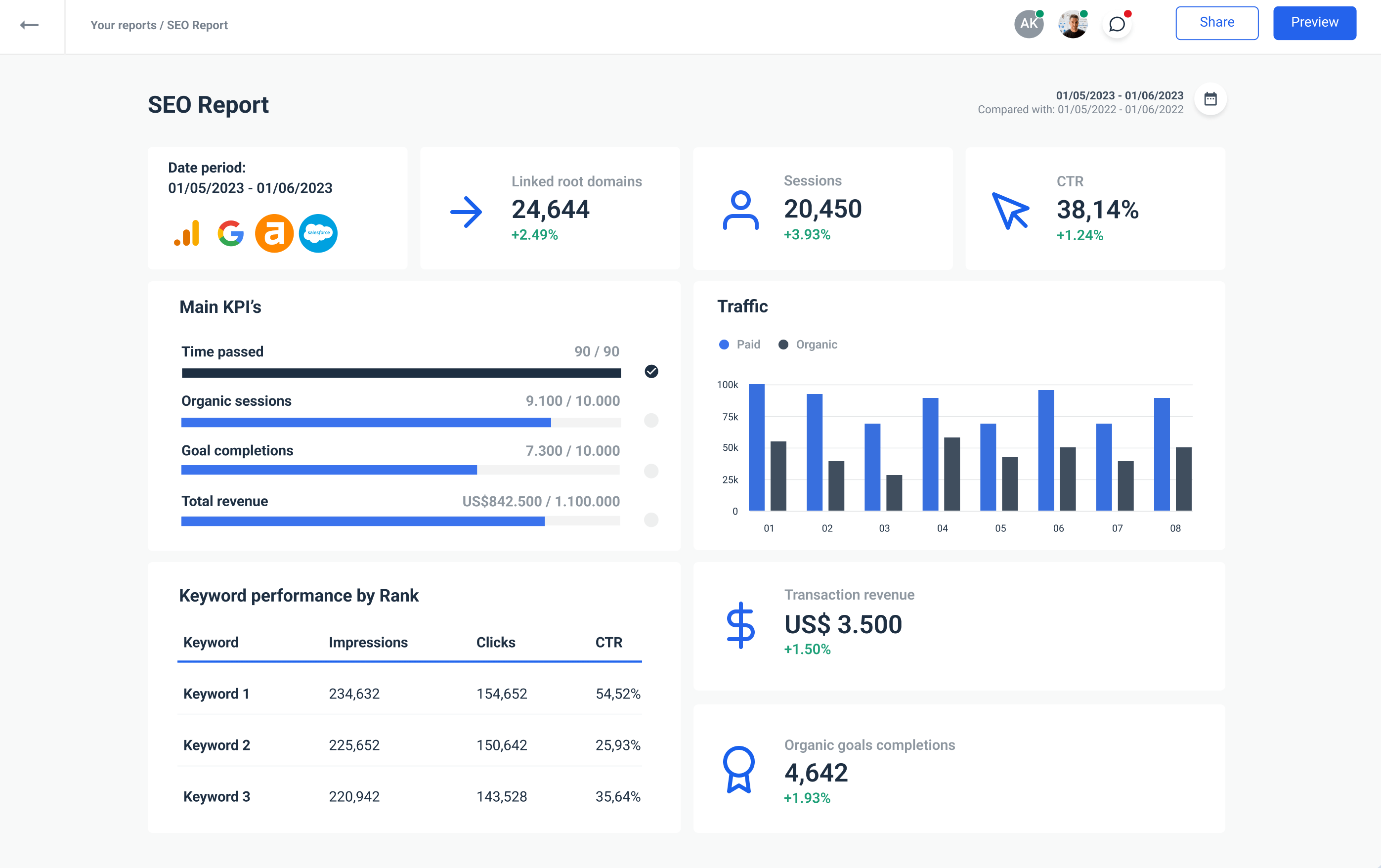

Top Web Utilities for Boosting Website Search Rankings
A few years ago, I helped a friend who had poured his heart into launching a small informational website. The design was clean, the articles were thoughtful, and the niche was promising. Yet weeks went by and almost no one visited the site. It wasn’t that the content lacked value; it was that search engines couldn’t fully understand, trust, or prioritize it. Once we began using the right web utilities, the change was dramatic. Pages started appearing in search results, traffic steadily climbed, and the site finally reached the audience it deserved.
That experience mirrors what countless website owners face today. Search rankings are no longer influenced by a single factor. They are shaped by technical health, content clarity, performance, usability, and credibility. The good news is that modern web utilities make it possible to understand and improve each of these areas without guesswork. When used thoughtfully, they help turn data into decisions and decisions into real growth.
This guide explores the most effective web utilities for improving search visibility, explains how they fit into a sustainable workflow, and shows how real people use them to build trustworthy, high-performing websites.
Why Web Utilities Matter More Than Ever
Search engines have become exceptionally sophisticated. They evaluate websites not just by keywords, but by structure, speed, intent, and reliability. A single broken page or slow-loading section can quietly hold back an otherwise excellent site.
Web utilities act like diagnostic tools. They reveal how search engines see your pages, how visitors experience them, and where improvements will have the greatest impact. According to insights shared by Google engineers on the official Search Central documentation, consistent monitoring and incremental improvements often outperform drastic, one-time changes. That principle is exactly where these tools shine.
Understanding Your Site Through Search Console Data
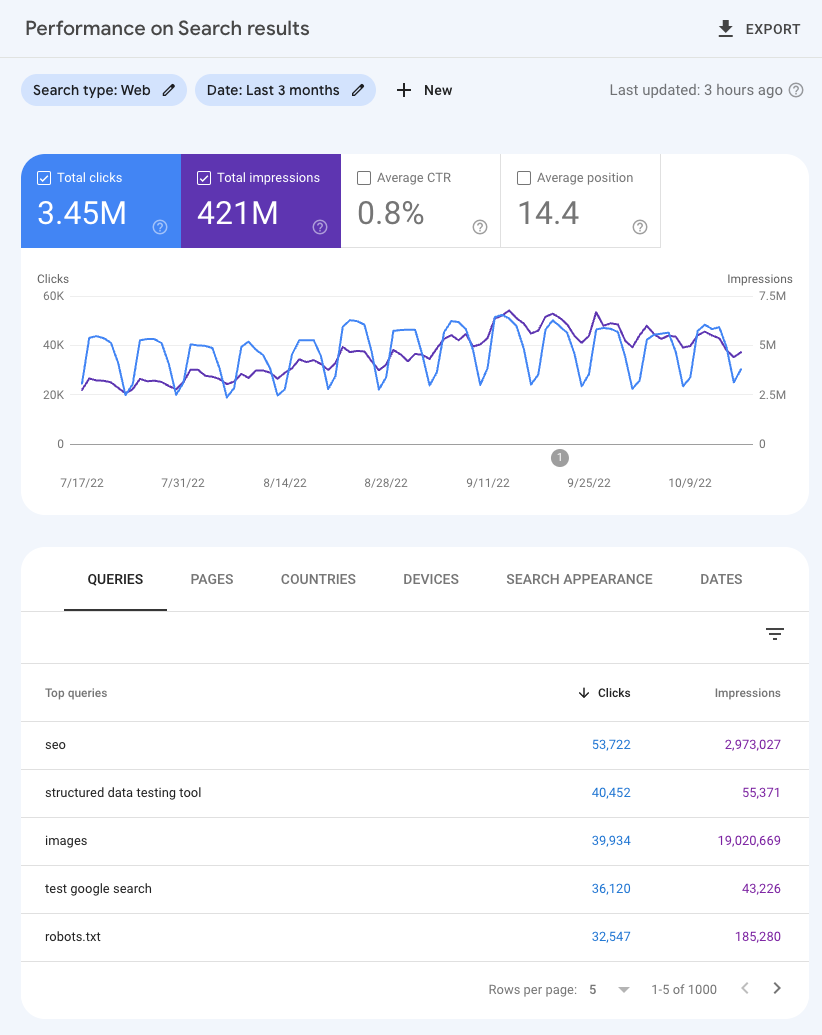
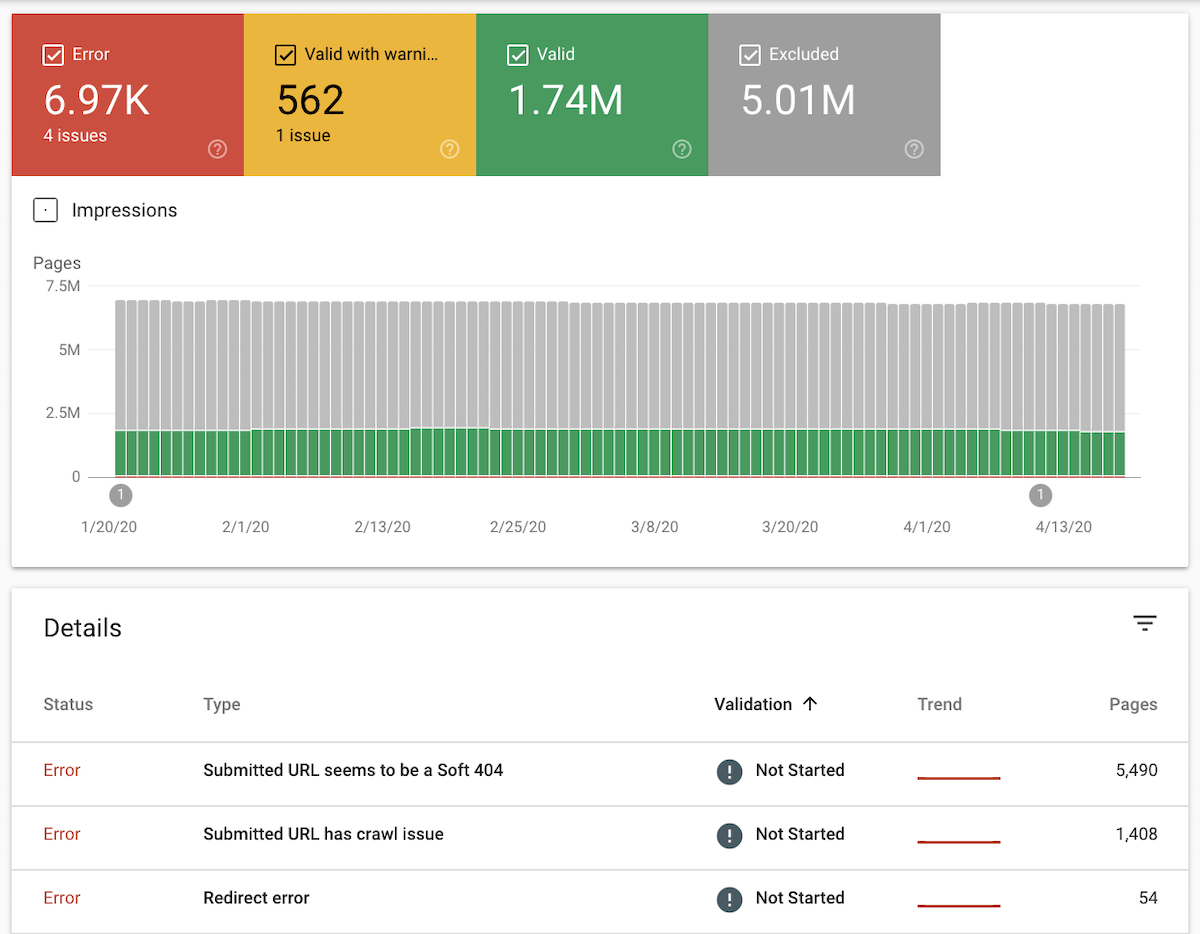

One of the most powerful free utilities available to website owners is Google Search Console. It provides a direct line of communication between your site and Google’s indexing systems.
Through its performance reports, you can see which search queries bring impressions, which pages are gaining visibility, and where clicks are being missed. Over time, patterns emerge. You may notice that certain pages rank just below the top results, making them prime candidates for improvement.
Search Console also alerts you to indexing issues, mobile usability problems, and security concerns. Google’s own documentation emphasizes that resolving these issues improves how confidently their systems can crawl and rank a site, making this tool foundational for long-term growth. You can explore these recommendations further through Google’s Search Central resources at developers.google.com/search.
Deep Keyword and Competitor Insights
Ranking improvements rarely happen in isolation. They often depend on understanding the broader landscape of what users are searching for and how established websites serve that demand.
Utilities like Ahrefs and SEMrush are widely trusted by professional marketers for this reason. These platforms provide insight into how competitors earn their visibility, which pages attract the most links, and where gaps in content coverage exist.
Research published by Ahrefs shows that pages ranking on the first page often earn significantly more backlinks than those below it. By studying successful pages, website owners can learn how depth, clarity, and topical relevance contribute to authority. Detailed explanations of these ranking patterns are available on ahrefs.com/blog, which regularly publishes transparent, data-backed research.
Auditing Technical Health for Strong Foundations
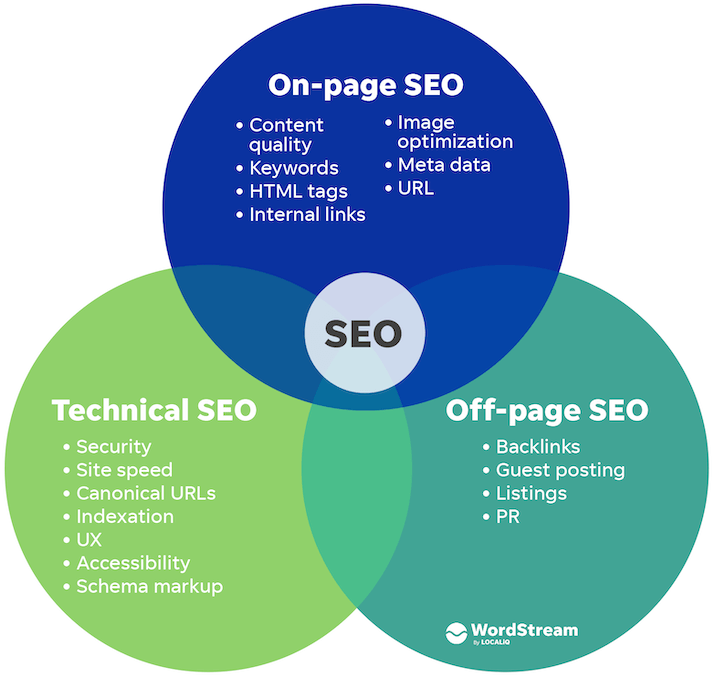
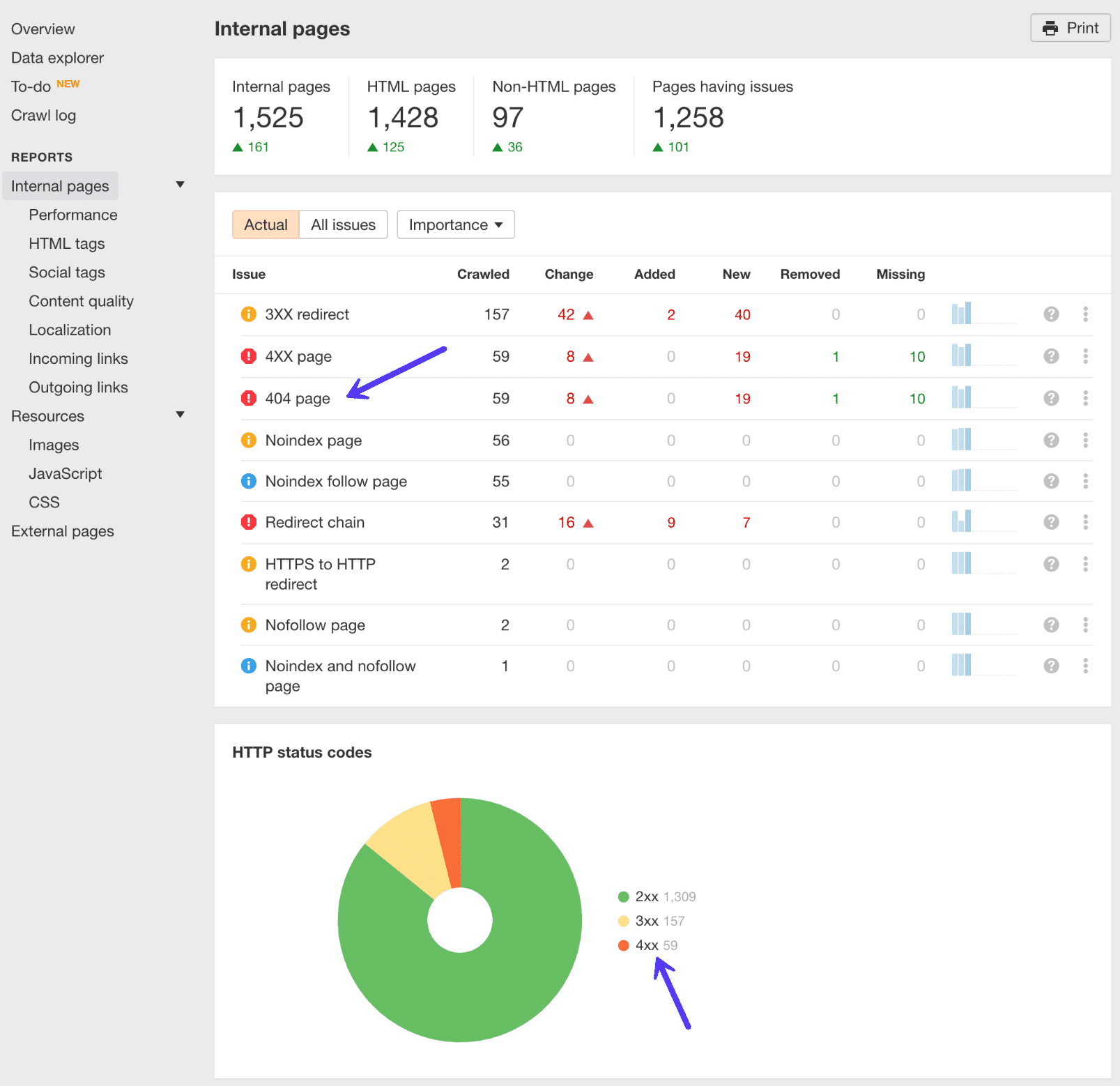

Even the best content struggles if technical issues stand in the way. That’s where utilities such as Screaming Frog become invaluable.
A crawl audit reveals broken links, duplicate titles, redirect chains, and missing metadata. These details might seem minor individually, but collectively they influence how efficiently search engines interpret a site. Moz’s research library, available at moz.com/learn/seo, explains how clean architecture and consistent signals help search engines assign relevance and trust.
Addressing these issues often leads to subtle but steady ranking improvements, especially for growing websites that are still establishing their authority.
Speed and Performance as Ranking Signals

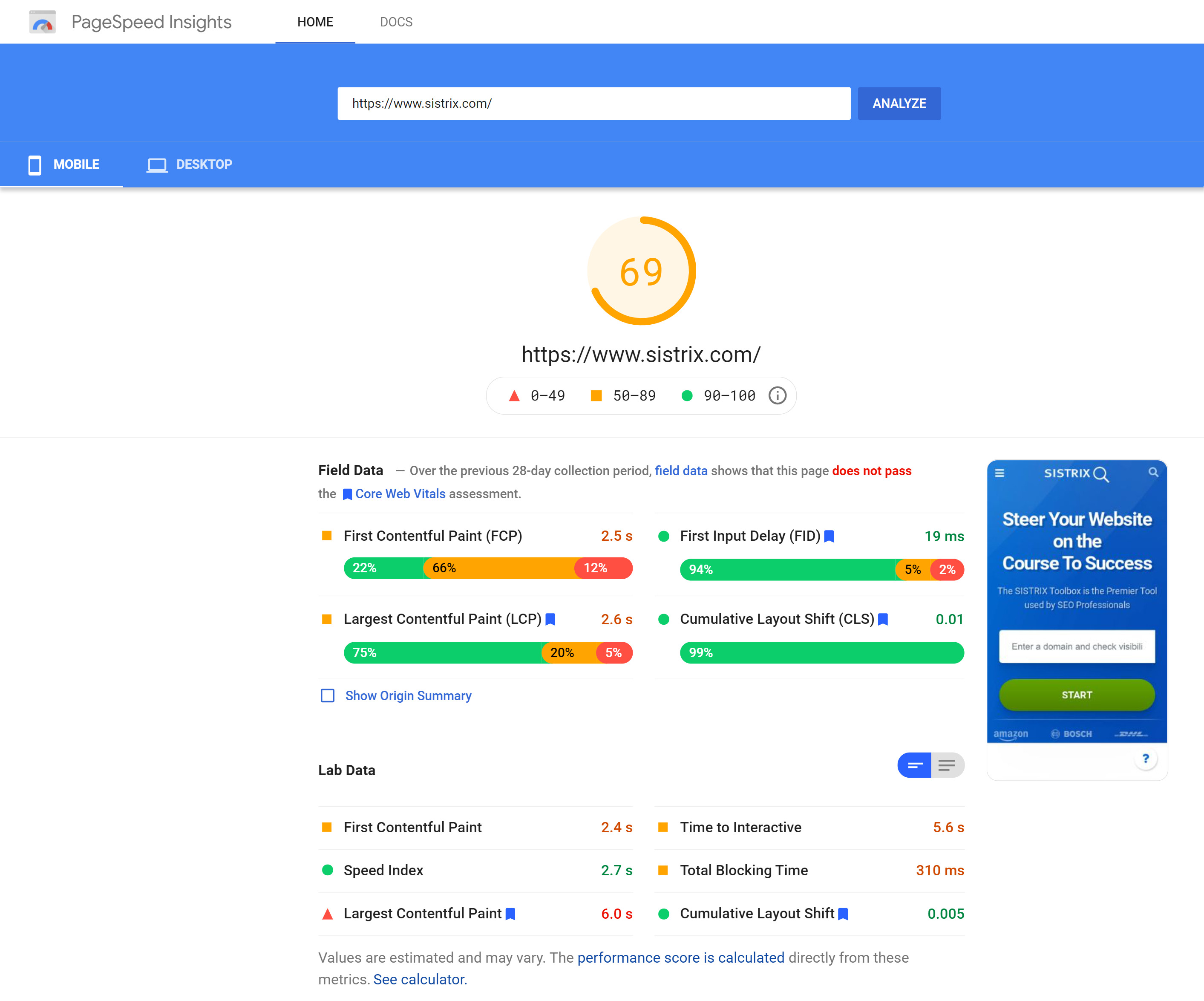
Few factors affect user experience as immediately as page speed. Slow pages increase bounce rates and reduce engagement, which search engines can interpret as dissatisfaction.
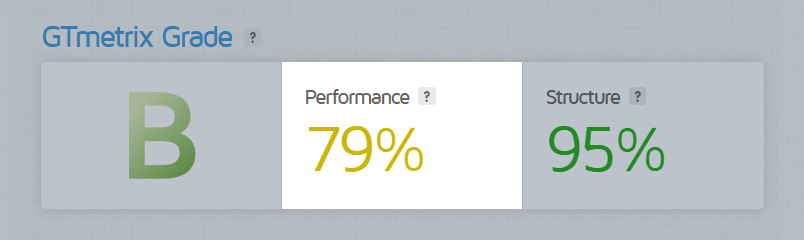
Tools like PageSpeed Insights and GTmetrix analyze load times, layout stability, and interactivity. They also offer clear explanations of what slows a page down and how to improve it.
Google’s Web Vitals documentation confirms that performance metrics are part of their ranking considerations, especially for competitive queries. By following the guidance provided in these reports, site owners can create faster, more reliable experiences that benefit both users and visibility.
Measuring Real User Behavior
Search rankings are ultimately tied to how real people interact with your content. Understanding that behavior requires reliable analytics.
Google Analytics allows you to see how visitors arrive, which pages keep them engaged, and where they leave. Over time, this data reveals what content resonates most and which topics deserve deeper coverage.
Industry studies published by Nielsen Norman Group consistently show that clarity, structure, and relevance influence how long users stay on a page. Analytics data helps confirm whether those principles are being met on your own site.
Content Optimization and On-Page Clarity
Once technical and performance foundations are in place, content refinement becomes the focus. Utilities such as Moz provide guidance on optimizing titles, headings, and internal linking without compromising readability.
Moz’s long-standing research highlights that well-structured content helps search engines understand context while making pages easier for readers to navigate. Their beginner-friendly guides at moz.com/beginners-guide-to-seo are frequently cited across the industry for their clarity and reliability.
Building Trust Through Consistency
One lesson learned from years of working with different websites is that no single utility guarantees rankings. Trust builds through consistent signals over time. Regular monitoring, thoughtful updates, and genuine value for readers gradually strengthen a site’s reputation.
Many experts, including those contributing to Search Engine Journal, emphasize that sustainable growth comes from aligning technical excellence with authentic content. Their editorial research at searchenginejournal.com often showcases case studies where patience and precision outperform shortcuts.
Frequently Asked Questions
Which web utility should beginners start with?
For most beginners, Google Search Console provides the clearest starting point. It offers direct insights from Google itself and highlights issues that have a tangible impact on visibility without overwhelming new users.
Are paid tools necessary to improve rankings?
Paid tools can accelerate research and provide deeper insights, but they are not mandatory. Many successful websites rely on free utilities combined with consistent content improvement and performance monitoring.
How often should these tools be used?
Most utilities are most effective when reviewed regularly. Monthly check-ins allow enough data to accumulate while ensuring issues are addressed before they grow into larger problems.
Can web utilities replace quality content?
No. Utilities reveal opportunities and issues, but content quality remains essential. Tools support decision-making; they do not replace thoughtful writing and genuine usefulness.
Do performance tools really affect rankings?
Yes, indirectly and sometimes directly. Faster pages improve user satisfaction, which aligns with search engines’ goals of delivering reliable results. Performance improvements often correlate with better engagement metrics.
Is it safe to rely on multiple tools at once?
Using multiple tools is common and often beneficial, as each focuses on different aspects of a website. The key is to interpret data carefully and avoid conflicting changes made too quickly.
How long does it take to see results?
Results vary depending on competition and site maturity. Many websites notice gradual improvements within a few months when changes are applied consistently and monitored carefully.
Conclusion: Turning Insights Into Lasting Growth
Boosting search rankings is less about chasing algorithms and more about understanding your website from multiple perspectives. Web utilities offer that understanding. They show how search engines interpret your pages, how users experience them, and where small improvements can lead to meaningful gains.
The most successful sites treat these tools as long-term companions rather than quick fixes. By regularly reviewing data, addressing technical health, improving performance, and refining content clarity, you build a foundation that search engines and users alike can trust.
If there’s one takeaway to remember, it’s this: rankings are earned through steady, informed progress. With the right web utilities guiding your decisions, every improvement compounds, bringing your website closer to the visibility and authority it deserves.
.jpg)
Popular Tools
Recent Posts

.webp)


